 登录 / 注册
Litecoin LTC)The Silver to Bitcoins Digital Gold A Comprehensive Guide
摘要:Intheever-evolvinglandscapeofcryptocurrencies,Bitcoin(BTC)reignssupremeasthe"digitalgol...

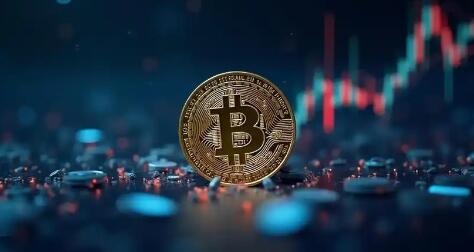
In the ever-evolving landscape of cryptocurrencies, Bitcoin (BTC) reigns supreme as the "digital gold," but it has paved the way for numerous alternative cryptocurrencies (altcoins) that address its limitations and cater to diverse use cases. Among these, Litecoin (LTC) stands out as one of the earliest and most enduring, often dubbed the "silver to Bitcoin’s gold." Created in 2011 by Charlie Lee, a former Google engineer, Litecoin was designed to be lighter, faster, and more efficient than Bitcoin, offering a decentralized digital currency solution optimized for everyday transactions. This article explores what Litecoin is, its key features, its role in the crypto ecosystem, and its future prospects.
What Is Litecoin?
Litecoin is a peer-to-peer (P2P) cryptocurrency that operates on a decentralized network, leveraging blockchain technology to enable secure, low-cost, and fast transactions. Like Bitcoin, it is based on an open-source global payment network, but with distinct technical modifications aimed at improving scalability and accessibility. The ticker symbol for Litecoin is LTC, and it is widely traded on cryptocurrency exchanges alongside major digital assets like Bitcoin and Ethereum.
Key Features That Set Litecoin Apart
Litecoin’s design incorporates several innovations that differentiate it from Bitcoin and enhance its utility:
Faster Block Generation Time
One of Litecoin’s most notable features is its shorter block generation time—2.5 minutes, compared to Bitcoin’s 10 minutes. This means transactions are confirmed more quickly on the Litecoin network, making it more suitable for time-sensitive payments. For example, a Litecoin transaction can be fully confirmed in as little as 15 minutes, while Bitcoin may take over an hour.
Scrypt Algorithm
Unlike Bitcoin, which uses the SHA-256 hashing algorithm, Litecoin employs the Scrypt algorithm. This was a deliberate choice by Charlie Lee to democratize mining and reduce the dominance of specialized hardware (ASICs) in the early days. While ASICs eventually adapted to Scrypt, the algorithm remains more memory-intensive, allowing individual miners with consumer-grade GPUs (graphics processing units) to participate more easily than with Bitcoin’s SHA-256.
Higher Supply Cap
Litecoin has a maximum supply of 84 million LTC, four times that of Bitcoin’s 21 million. This larger supply is intended to make each Litecoin more affordable and accessible, particularly for smaller transactions, while maintaining scarcity to preserve value over time.
SegWit Integration
Litecoin was one of the first major cryptocurrencies to implement Segregated Witness (SegWit) in 2017. This protocol upgrade separates transaction signatures from transaction data, increasing the network’s transaction capacity and reducing fees. SegWit also enables the Lightning Network, a second-layer solution that facilitates near-instant, low-cost microtransactions.
Litecoin’s Role in the Crypto Ecosystem
Over more than a decade, Litecoin has carved out a unique niche in the cryptocurrency market:
A Medium of Exchange for Daily Use
While Bitcoin is often viewed as a "store of value" (digital gold), Litecoin positions itself as a "medium of exchange" (digital silver). Its faster transaction times and lower fees make it practical for everyday purchases, such as online shopping, remittances, and peer-to-peer transfers. For instance, merchants accepting Litecoin benefit from reduced payment processing costs compared to traditional payment systems like credit cards.
Testing Ground for Bitcoin Innovations
Litecoin has frequently served as a "testnet" for Bitcoin upgrades. Its adoption of SegWit, for example, paved the way for Bitcoin’s own SegWit implementation in 2018. This symbiotic relationship allows Litecoin to act as a lower-risk environment for testing new technologies before their deployment on the larger Bitcoin network.
A Diversification Tool for Investors
For cryptocurrency investors, Litecoin offers a way to diversify their portfolios beyond Bitcoin. While it is more volatile than fiat currencies, Litecoin’s correlation with Bitcoin (though not perfect) makes it a popular choice for traders seeking exposure to the broader crypto market without solely relying on Bitcoin’s price movements.
Challenges and Criticisms
Despite its longevity and utility, Litecoin faces several challenges:
- Competition from Other Altcoins: The rise of newer cryptocurrencies with advanced features (e.g., Ethereum’s smart contracts, Ripple’s cross-border payments) has intensified competition for Litecoin.
- Limited Use Cases Beyond Payments: Unlike some altcoins, Litecoin lacks robust DeFi (decentralized finance) or NFT (non-fungible token) ecosystems, limiting its appeal to users seeking more than basic transactions.
- Perceived "Redundancy": Critics argue that Litecoin’s similarities to Bitcoin make it less innovative, though proponents counter that its focus on speed and efficiency fills a critical gap.
Future Prospects
Litecoin’s future remains tied to its ability to adapt to the evolving crypto landscape. Potential developments include:
- Enhanced Integration with Payment Platforms: As mainstream adoption of cryptocurrencies grows, Litecoin could see increased integration with payment processors and fintech platforms, further solidifying its role in daily transactions.
- Lightning Network Adoption: Wider use of the Lightning Network could position Litecoin as a leading cryptocurrency for microtransactions, addressing one of Bitcoin’s key pain points.
- Sustained Mining Viability: With its Scrypt algorithm and active mining community, Litecoin is likely to remain a profitable mining option for individual miners, ensuring network security and decentralization.
Conclusion
Litecoin has proven its resilience as one of the oldest and most trusted cryptocurrencies. While it may not capture the same headlines as Bitcoin or Ethereum, its focus on speed, low fees, and accessibility has made it a valuable asset for both everyday users and investors. As the crypto market matures, Litecoin’s role as the "digital silver" to Bitcoin’s "digital gold" is likely to endure, providing a practical and efficient solution for the future of digital payments. For those looking to explore cryptocurrencies beyond Bitcoin, Litecoin remains a compelling and time-tested option.