 登录 / 注册
加密比特币交易,原理、风险与合规指南
摘要:什么是加密比特币交易?加密比特币交易referstotheprocessofbuying,selling,orexchangingBitcoin(theworld'sfirs...

什么是加密比特币交易?
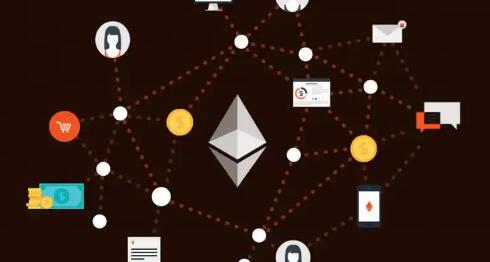
加密比特币交易 refers to the process of buying, selling, or exchanging Bitcoin (the world's first and most well-known cryptocurrency) using digital platforms, without relying on traditional financial intermediaries like banks. Unlike fiat currency transactions, which are centralized and regulated by governments, Bitcoin transactions operate on a decentralized blockchain network— a public, distributed ledger that records all transactions in a transparent and immutable manner.
When a user initiates a Bitcoin transaction, it is broadcast to the network and verified by "nodes" (computers on the network). Once verified, the transaction is grouped with others into a "block" and added to the blockchain, ensuring its security and permanence. Key elements of Bitcoin transactions include:
- Wallets: Digital tools (software or hardware) that store Bitcoin addresses (similar to bank account numbers) and private keys (required to authorize transactions).
- Exchanges: Platforms (e.g., Binance, Coinbase, Kraken) where users can trade Bitcoin for fiat currencies (e.g., USD, EUR) or other cryptocurrencies.
- Transaction Fees: Small amounts of Bitcoin paid to miners (network validators) to prioritize and include transactions in the blockchain.
加密比特币交易的核心流程
- Setup a Wallet: Users first need a Bitcoin wallet (e.g., software wallets like Exodus or hardware wallets like Ledger) to store their Bitcoin. Wallets generate public addresses for receiving funds and private keys for sending funds.
- Choose an Exchange: Select a reputable exchange, complete identity verification (KYC), and deposit funds (via bank transfer, credit card, or other payment methods).
- Place an Order: Users can place market orders (buy/sell at current market prices) or limit orders (set a specific price for execution).
- Execute the Transaction: Once an order is matched, the exchange transfers Bitcoin between wallets. The transaction is then broadcast to the Bitcoin network for confirmation.
- Confirmation: Transactions require "confirmations" (typically 6 for high security), as miners add blocks to the blockchain every ~10 minutes.
加密比特币交易的优势
- Decentralization: No single entity (e.g., bank or government) controls Bitcoin, reducing censorship risk and enabling peer-to-peer transactions globally.
- Transparency: All transactions are recorded on the public blockchain, allowing anyone to verify transaction history (though user identities remain pseudonymous).
- Accessibility: Anyone with an internet connection can participate, excluding unbanked populations from traditional financial systems.
- Potential for High Returns: Bitcoin's price volatility (e.g., from $5,000 in 2019 to $65,000 in 2021) has attracted traders seeking speculative gains.
加密比特币交易的风险与挑战
- Price Volatility: Bitcoin's price can fluctuate dramatically within short periods, leading to significant financial losses for uninformed traders.
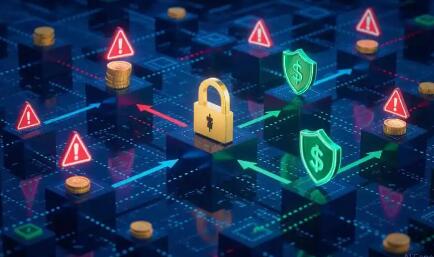
- Security Risks: Hacking, phishing attacks, and exchange insolvencies (e.g., the 2018 Mt. Gox collapse) have resulted in billions of dollars in losses. Users must prioritize self-custody (hardware wallets) to mitigate risks.
- Regulatory Uncertainty: Governments worldwide are still crafting regulations for cryptocurrencies. Policies like China's ban on crypto trading or the U.S. SEC's scrutiny of exchanges can impact market stability.
- Irreversibility: Bitcoin transactions are irreversible once confirmed. If funds are sent to the wrong address, they cannot be recovered.
- Scams and Fraud: The pseudonymous nature of Bitcoin has enabled scams (e.g., Ponzi schemes, fake exchanges), making due diligence critical for traders.
合规与安全建议
- Use Regulated Exchanges: Choose exchanges compliant with local regulations (e.g., Coinbase in the U.S., Binance in Europe) to ensure fund safety and legal protection.
- Enable 2FA: Always use two-factor authentication (2FA) on wallets and exchanges to prevent unauthorized access.
- Self-Custody for Long-Term Storage: For large holdings, hardware wallets (e.g., Ledger, Trezor) offer offline storage, reducing hacking risks.
- Stay Informed: Monitor regulatory updates and market trends to avoid legal pitfalls and make informed trading decisions.
- Diversify Investments: Avoid overexposing to Bitcoin. Diversify with traditional assets or other cryptocurrencies to manage risk.
未来展望
As institutional adoption (e.g., Tesla, MicroStrategy) and regulatory clarity increase, Bitcoin trading is gradually moving toward mainstream acceptance. Innovations like the Lightning Network (for faster, low-fee transactions) and Bitcoin ETFs (exchange-traded funds) are enhancing its utility. However, traders must balance opportunity with caution, as the market remains volatile and evolving.
加密比特币交易 represents a paradigm shift in finance, offering decentralization, accessibility, and high-reward potential. However, its risks—volatility, security threats, and regulatory uncertainty—demand vigilance and responsibility. By understanding the technology, prioritizing security, and staying compliant, traders can navigate this dynamic market while mitigating risks. As Bitcoin continues to mature, responsible trading will be key to unlocking its long-term potential.