 登录 / 注册
The Art and Science of Bitcoin Trading:Insights from a Seasoned Trader
摘要:IntroductionInthefast-evolvingworldofcryptocurrency,Bitcoinremainstheundisputedking—itspr...

Introduction
In the fast-evolving world of cryptocurrency, Bitcoin remains the undisputed king—its price movements dictate market sentiment, and its volatility attracts both seasoned investors and curious newcomers. For those who navigate this market long-term, "Bitcoin trading" is more than a buzzword; it’s a discipline blending technical analysis, risk management, and psychological resilience. As a senior Bitcoin trader with over a decade of experience, I’ve witnessed bubbles, crashes, and regulatory shifts that have shaped the asset’s trajectory. This article distills key lessons, strategies, and hard truths from the trenches of Bitcoin trading, aimed at helping both aspiring and experienced traders refine their approach.
Understanding the Fundamentals: Bitcoin’s Unique Value Proposition
Before diving into trading strategies, it’s critical to grasp what makes Bitcoin distinct. Unlike fiat currencies, Bitcoin is decentralized, scarce (with a fixed supply of 21 million coins), and operates on a transparent blockchain. These attributes underpin its "digital gold" narrative—a hedge against inflation and geopolitical uncertainty. For senior traders, understanding why Bitcoin holds value is as important as analyzing price charts. A common mistake among beginners is treating Bitcoin like a traditional stock; instead, it should be viewed through the lens of a macroeconomic asset, influenced by factors like Federal Reserve policy, institutional adoption, and global liquidity.
Technical Analysis: The Trader’s Toolkit
Technical analysis (TA) is the backbone of most Bitcoin trading strategies. Senior traders rely on a mix of indicators, chart patterns, and volume analysis to identify entry and exit points. Key tools include:
- Moving Averages (MAs): The 50-day and 200-day MAs help identify trends. A "golden cross" (50-day MA crossing above 200-day MA) signals a bullish trend, while a "death cross" indicates a bearish one.
- Relative Strength Index (RSI): This momentum oscillator helps identify overbought (above 70) or oversold (below 30) conditions, warning of potential reversals.
- Bollinger Bands: These volatility bands expand during high volatility and contract during low volatility, often preceding price breakouts.
- On-Chain Metrics: For senior traders, on-chain data (e.g., exchange inflows/outflows, hash rate, and active addresses) provides a fundamental layer to TA. For example, a spike in exchange inflows may indicate impending selling pressure.
However, TA is not a crystal ball. Senior traders emphasize confirmation—using multiple indicators to validate signals—and avoid "indicator overload," which can lead to analysis paralysis.
Risk Management: The Bedrock of Longevity
In Bitcoin trading, survival trumps profitability. Volatility can erase gains in minutes, and even the most skilled traders face losses. Senior traders adhere to strict risk management rules:
- Position Sizing: Never risk more than 1–2% of capital on a single trade. For example, if your portfolio is $10,000, a maximum loss of $100 per trade ensures you stay in the game even during a drawdown.
- Stop-Loss Orders: These non-negotiable tools automatically exit a trade if the price hits a predetermined level, capping losses. Senior traders place stop-losses below key support levels (for long positions) or above resistance (for short positions).
- Diversification: While Bitcoin is the core holding, senior traders often allocate a small portion to altcoins or traditional assets to hedge against Bitcoin-specific risks.
As the saying goes in trading circles: "The market will always be there—your capital won’t if you risk it recklessly."
Trading Psychology: Mastering the Mind Game
Emotions are a trader’s greatest enemy. Fear and FOMO (fear of missing out) drive impulsive decisions, while greed and hope lead to holding losing positions too long. Senior traders cultivate discipline through:
- Journaling: Recording every trade—with reasons for entry/exit, emotions, and outcomes—helps identify patterns (e.g., "I tend to FOMO-buy during rallies") and refine strategies.
- Sticking to the Plan: A predefined trading plan (including entry/exit rules and position size) eliminates emotional decision-making. Senior traders never "chase" price or deviate from their plan without a valid reason.
- Accepting Losses: Losses are inevitable; even the best traders win only 50–60% of the time. The key is ensuring winners outweigh losers by letting profits run (using trailing stop-losses) and cutting losses early.
Adapting to Market Cycles: Bitcoin’s Halving and Beyond
Bitcoin’s price moves in cycles, often tied to its "halving" event (when block rewards are cut in half, reducing new supply). Senior traders study these cycles to position themselves for bull and bear markets:
- Halving Cycles: Historically, Bitcoin’s price surges 12–18 months after a halving, as supply scarcity meets rising demand. Traders accumulate in the post-halving "winter" and take profits during the peak.
- Macroeconomic Factors: In 2022, Bitcoin’s correlation with tech stocks (e.g., NASDAQ) rose as risk sentiment dominated. Senior traders adjust strategies based on macro trends—shifting to safe-haven mode during recessions or risk-on during liquidity booms.
Adaptability is crucial. What worked in 2017 (e.g., ICO-fueled altcoin rallies) may not work today; senior traders stay agile by researching new trends (e.g., DeFi, NFTs, and Bitcoin ETFs) without abandoning core principles.
The Role of Technology: Tools for Efficiency
Senior traders leverage technology to gain an edge:
- Trading Bots: Automated bots can execute trades based on predefined TA rules, removing emotion and capitalizing on arbitrage opportunities. However, bots require regular monitoring and optimization.
- Data Platforms: Services like Glassnode (on-chain), TradingView (charts), and CoinGecko (market data) provide real-time insights to inform decisions.
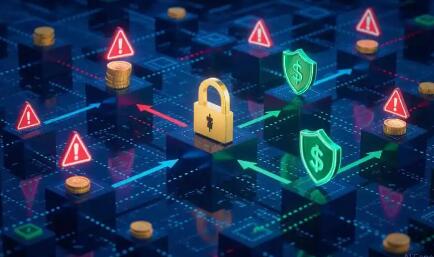
- Security: With hacks and scams rampant, senior traders prioritize cold storage (hardware wallets) for long-term holdings and two-factor authentication (2FA) for exchanges.
Conclusion
Bitcoin trading is a marathon, not a sprint. For senior traders, success stems from a blend of deep understanding, disciplined risk management, and emotional control. While volatility and uncertainty will always be part of the market, those who approach trading as a science—backed by data—and an art—mastered by experience—can navigate the highs and lows. Whether you’re a beginner or a seasoned pro, remember: in the world of Bitcoin, the only constant is change. Adapt, learn, and stay disciplined, and you’ll be well on your way to trading with confidence.